

News
THE MOUSE BITES BACK: Disney Slams ByteDance with Cease & Desist Over “Seedance 2.0” Piracy

Feb
If you have been on social media this week, you have likely seen the videos. Crystal-clear, 4K clips of Spider-Man fighting Darth Vader in a rain-slicked Gotham, or Grogu eating a pizza in Times Square—all generated by artificial intelligence, and all looking terrifyingly official. The tool responsible is Seedance 2.0, the new ai video generator from ByteDance (the parent company of TikTok).
But while users are calling it “magic,” Disney is calling it theft. In a blistering cease and desist letter sent this week, Disney has officially accused ByteDance of turning its billion-dollar library of characters into “free public domain clip art.” There is no formal lawsuit yet, but the language in this letter suggests that Disney is ready to go to war over copyright infringement.
The Accusation: “A Virtual Smash-and-Grab”
Disney’s legal team didn’t mince words. They aren’t just saying ByteDance accidentally trained on some Mickey Mouse images. They are accusing the tech giant of a “virtual smash-and-grab” that threatens the very foundation of intellectual property.
The “Pirated Library”
The letter alleges that Seedance 2.0 was pre-packaged with a “pirated library” of Disney characters. The ai doesn’t just “hallucinate” Spider-Man; it knows exactly what his suit looks like from every angle, suggesting it was force-fed the entire Marvel and Star Wars visual catalog.
The “Clip Art” Argument
Disney claims ByteDance is treating iconic characters—like Spider-Man, Darth Vader, and Grogu—as if they were generic stock assets that anyone can use for free. This isn’t just a minor copyright issue; it is a fundamental piracy of assets that took decades and billions of dollars to build.
“Willful and Pervasive”
This is the key legal phrase. Disney argues that ByteDance knew it was infringing and did it anyway to gain a competitive edge in the ai video war. In the world of licensing, “willful” means the damages could be astronomical if this reaches a courtroom.
The Evidence: Why Seedance 2.0 is “Too Good”
The problem for ByteDance is the sheer quality of the output. When you type “Iron Man flying over Beijing” into Seedance 2.0, the result isn’t a blurry knock-off. It is a near-perfect render of the MCU armor, complete with accurate lighting and mechanical details.
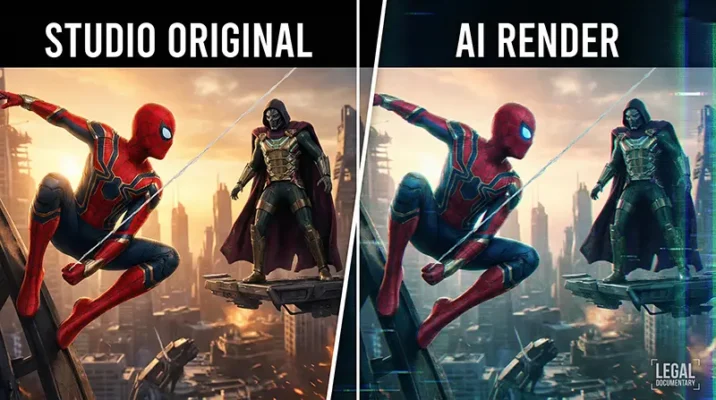
Disney’s argument is simple: You cannot generate a perfect replica of the Millennium Falcon unless you trained your model on copyrighted footage of the Millennium Falcon. The artificial intelligence behind the tool has effectively memorized the pixels of Disney’s most valuable films.
“The level of character consistency in Seedance 2.0 is unprecedented. It isn’t just mimicking a style; it is reproducing protected assets with 1:1 precision.” — Tech Analyst Report, February 2026
A Global Conflict: From Hollywood to Pakistan
While the legal battle is being fought in U.S. and Chinese boardrooms, the impact is felt globally. In Pakistan, where TikTok remains one of the most downloaded apps, the rise of Seedance 2.0 has created a surge in ai video content. Local creators are using the tool to place Hollywood characters in Pakistani settings, further complicating the licensing landscape.
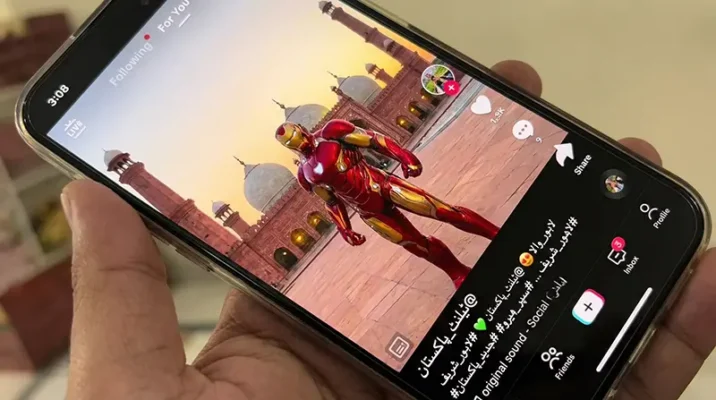
For a market like Pakistan, where intellectual property laws are often loosely enforced, Disney’s aggressive stance serves as a warning. The “democratization” of content through artificial intelligence is a double-edged sword. While it allows a creator in Lahore to make a high-budget Star Wars fan film for pennies, it simultaneously devalues the original library that makes such characters famous.
Why This Matters in 2026
- The Content Bubble: If everyone can generate a Marvel movie, do Marvel movies still have value?
- Legal Precedents: This case will set the rules for how ai models are trained for the next decade.
- TikTok Integration: If ByteDance integrates Seedance 2.0 directly into TikTok, the scale of infringement will be impossible to control.
Disney’s Strategy: OpenAI vs. ByteDance
This aggressive move highlights Disney’s evolving strategy on artificial intelligence. They aren’t Luddites; they are businessmen.
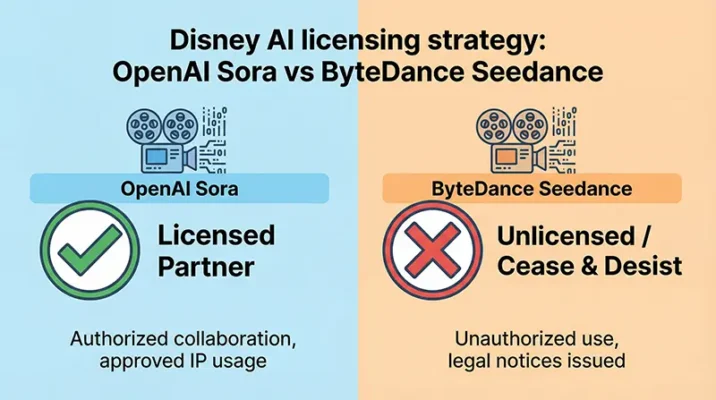
OpenAI (The Partner)
Just months ago, Disney signed a massive licensing deal with OpenAI to let them use Disney characters in their Sora model. This was a “clean” partnership where Disney gets paid for every pixel the AI learns.
ByteDance (The Enemy)
By issuing the cease and desist to ByteDance, Disney is drawing a line in the sand. They are not anti-AI; they are anti-unlicensed AI. They want to ensure that if a machine is going to use their characters, Disney gets a seat at the table—and a check in the mail.
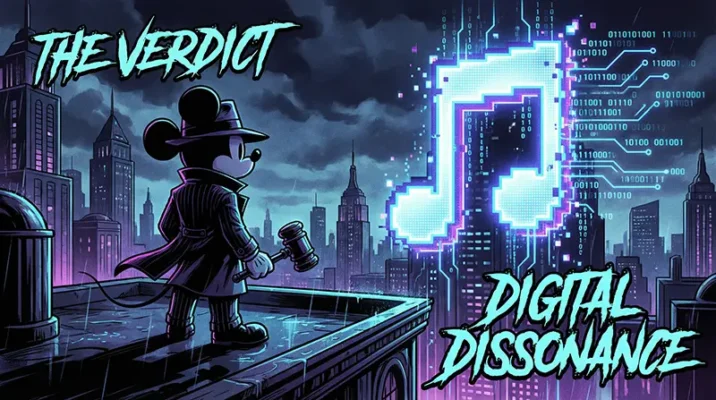
The Verdict: Can ByteDance Survive the Mouse?
ByteDance has responded by promising to “strengthen safeguards,” likely by rushing to add keyword blocks. If you try to type “Darth Vader” next week, the tool might give you a generic “Space Knight” instead.
But for Disney, that is likely too little, too late. The model has already “learned” the characters. You can’t “un-teach” an artificial intelligence what it has already seen. Unless ByteDance agrees to a massive licensing fee or a partnership similar to the OpenAI deal, this lawsuit is inevitable.
Disney has spent a century protecting its mouse. They aren’t about to let an algorithm take it for free.
Resources
- MSN: Disney, Paramount slam ByteDance over AI tool.
- IMDB: Disney Hits ByteDance With Cease-and-Desist, Claiming Seedance AI Tool Is ‘Hijacking’ Trademarked Characters.
- Variety: Paramount Sends ByteDance Cease-and-Desist Letter Over Seedance AI Videos, Alleging Intellectual Property Infringement.
- Deadline: Disney Blasts ByteDance With Cease And Desist Letter Over Seedance 2.0 AI Video Model.
Frequently Asked Questions (FAQs)
Seedance 2.0 is an advanced artificial intelligence video generator developed by ByteDance, the parent company of TikTok. It became controversial in early 2026 after viral clips showed near-perfect replicas of copyrighted characters like Spider-Man and Darth Vader. Disney alleges the tool was trained on a “pirated library” of their films without any licensing agreement.
Disney issued the cease and desist to protect its intellectual property. They argue that ByteDance is engaging in “willful infringement” by allowing users to generate high-fidelity Disney content for free. This move is part of Disney’s broader strategy to ensure all ai models using their assets are officially licensed and paid for.
While the tool itself is a technical marvel, using it to reproduce copyrighted characters for commercial or public distribution without permission is a violation of copyright law. Disney’s legal action targets the platform (ByteDance) for enabling this piracy at scale.
The primary difference is licensing. Disney has a formal partnership and licensing deal with OpenAI, allowing Sora to legally use Disney assets. Conversely, ByteDance has no such agreement, leading to the current “virtual smash-and-grab” accusations from Disney’s legal team.
As of February 2026, ByteDance has begun implementing “safeguards” and keyword blocks globally following the legal pressure. While the app may still be accessible in Pakistan, users will likely find that prompts for “Disney,” “Marvel,” or “Star Wars” characters are now restricted or result in generic alternatives to avoid further infringement.
Currently, it remains a cease and desist dispute. however, legal analysts suggest that if ByteDance does not agree to a multi-billion dollar licensing settlement or a complete removal of the “pirated library” from their ai training data, a high-profile lawsuit is inevitable.
Related Blogs
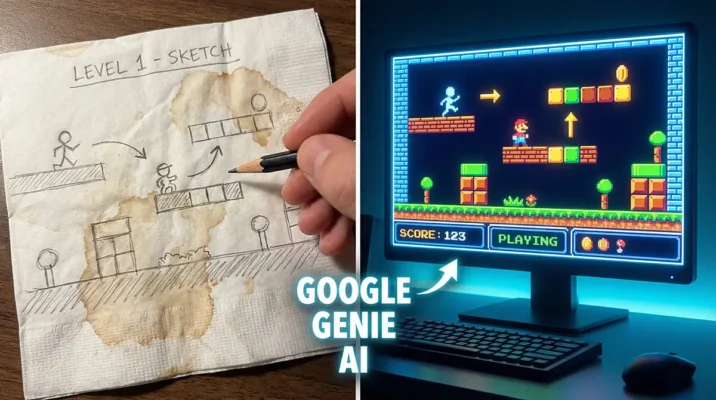
Google Genie AI: The Shocking End of Traditional Gaming? (2026 Review)
Google Genie AI is transforming the gaming industry. Discover how DeepMind’s new model creates playable worlds from images and the massive copyright risks involved.
Feb
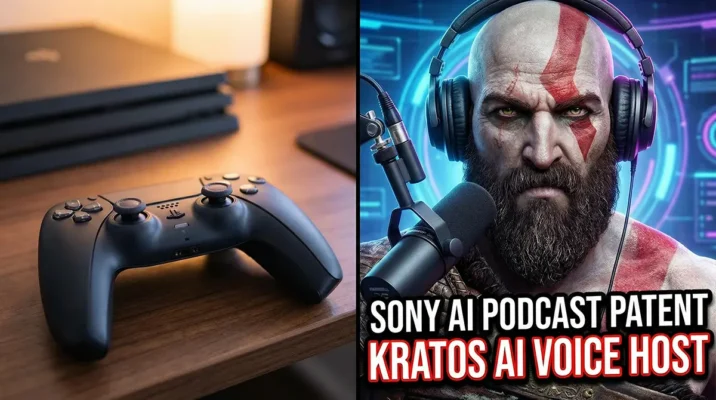
Sony AI Podcast Patent: Will Kratos Be Your Next YouTuber? (Revolutionary Feature)
Discover the new Sony AI Podcast Patent! See how Generative AI turns game characters like Kratos into hosts. Is this a revolutionary PS6 feature or a controversy?
Feb
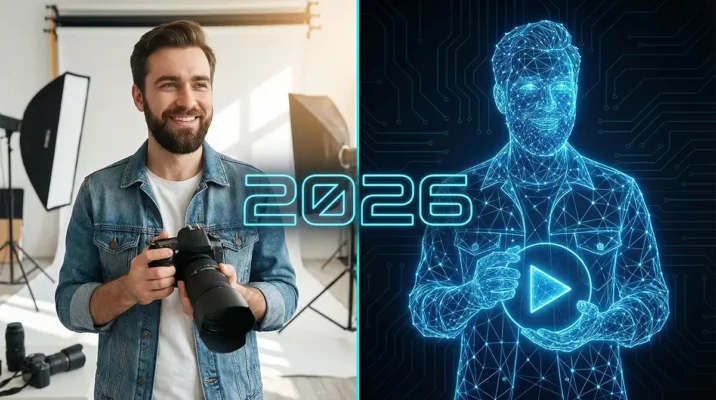
YouTube AI Likeness Alert: Why Your Digital Twin Will Take Over Shorts in 2026
YouTube AI Likeness tool arrives in 2026. Discover how to generate infinite YouTube Shorts using a Digital Twin and avoid AI Slop.
Jan
