

News
YouTube AI Likeness Alert: Why Your Digital Twin Will Take Over Shorts in 2026
Jan
Is the “Dead Internet Theory” finally becoming reality? If you ask YouTube’s CEO, the answer might just be yes.
If you thought 2025 was the peak of artificial intelligence, think again. In a bombshell annual letter published this week, YouTube CEO Neal Mohan confirmed what many feared and others dreamed of: YouTube AI Likeness tools are officially coming to Shorts in 2026.
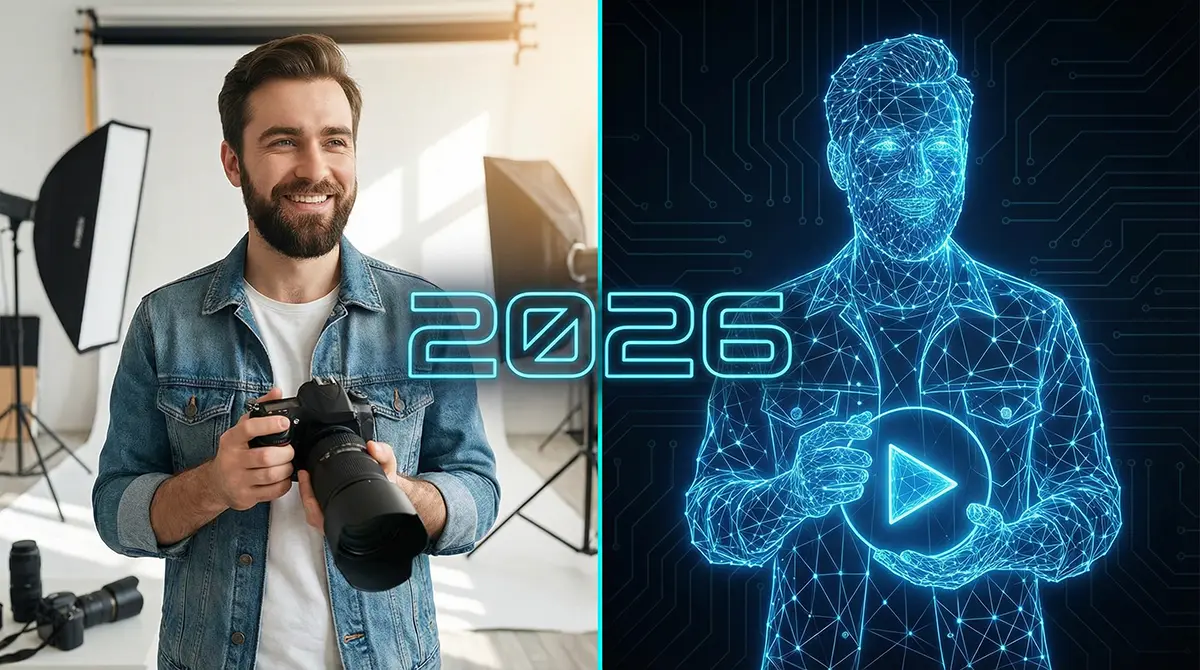
Forget setting up expensive lighting, buying the latest camera, or even getting out of bed. Sometime this year, you will be able to type a script, and your AI-generated Digital Twin will film the video for you. It sounds like science fiction, but the “Infinite Content” glitch is about to become the new standard for content creation.
Here is the breakdown of YouTube’s plan to automate the influencer and why this update is both revolutionary and terrifying.
The Announcement: Neal Mohan’s Vision for 2026
In his annual letter to creators, Neal Mohan didn’t just tease new features; he outlined a fundamental shift in how we consume video. The core message? YouTube Shorts is evolving from a platform of captured moments to one of generated moments.
The standout feature is the AI Likeness tool. Designed to help creators “express themselves” without the friction of physical production, this tool allows for the creation of an AI Avatar that looks, sounds, and acts exactly like you.
“The goal is to remove the barriers to entry. If you have a voice and an idea, you shouldn’t need a studio to be a creator.” — Neal Mohan
This move signals that YouTube is doubling down on AI video generation to compete with TikTok and Instagram, ensuring that the flood of content never stops.
What is the YouTube AI Likeness Tool?
The YouTube AI Likeness tool is essentially a high-end Digital Twin generator integrated directly into YouTube Studio.

How it Works
- Scan Phase: Creators will likely be asked to upload high-quality footage of themselves (or scan their face/voice using a smartphone).
- Training: YouTube’s algorithms analyze your facial micro-expressions, voice cadence, and mannerisms.
- Generate: Once trained, you simply type a text prompt or upload a script. Your AI Avatar then “performs” the video.
This feature is expected to be a massive hit for “faceless” channels that want to add a personal touch without the effort of on-camera hosting. Imagine generating 10 news updates, 5 tutorials, and 3 reaction videos in the time it takes to drink your morning coffee.
The “Infinite Content” Glitch in YouTube Shorts
The scale of this update is difficult to comprehend. YouTube Shorts is already averaging a staggering 200 billion daily views. By automating the “talent,” YouTube is betting that users have stopped caring who is talking to them, as long as the entertainment value is there.

This creates what experts are calling the “Infinite Content” glitch. If a creator can generate limitless videos without fatigue, the platform will be flooded with synthetic media.
- Pros: Consistency is no longer a struggle. Burnout might become a thing of the past.
- Cons: The human connection—the very thing that makes YouTubers “influencers”—could be severed.
The Paradox: Fighting “AI Slop” While Creating It
Perhaps the most jarring part of Mohan’s letter was the simultaneous promise to fight “AI Slop.”
AI Slop refers to low-quality, spammy, repetitive AI content that clogs search results and feeds. Mohan stated that YouTube is upgrading its spam detection systems to hide low-effort synthetic videos.
The Contradiction
YouTube is vowing to ban AI spam while giving millions of creators the ultimate tool to create AI spam.
If every creator uses the YouTube Partner Program tools to generate 20 videos a day using their Likeness, where does the platform draw the line between a “prolific creator” and a “spammer”? The line is evaporating.

Safety First: Deepfake Protection & Content ID
To prevent this feature from turning into a Deepfake nightmare, YouTube is leaning heavily on proprietary safety tech.
- Likeness Detection: This system, already rolling out to select Partners, works like Content ID but for faces. It scans the platform for unauthorized use of your biometric data.
- Rights & Control: If a third party tries to use your AI Avatar without permission, the system will flag the video and give you the option to block it or monetize it.
This Protection layer is critical. Without it, the Future of identity rights on the internet would be the Wild West.
Beyond Faces: Text-to-Game and AI Music
The AI push doesn’t stop at faces. The 2026 roadmap includes other massive Features:
- Text-to-Game: A revolutionary tool that lets users generate simple, playable games inside the YouTube player using just a text prompt. This turns viewers into players instantly.
- AI Music: Expanded tools to “remix” and generate soundtracks for your videos, bypassing complex copyright issues.
What This Means for Creators in Pakistan
For the creation community in Pakistan, these tools offer a unique double-edged sword.

The Opportunity
- Low Barrier to Entry: High-quality camera gear and studio lighting are expensive. With AI Likeness, a creator in a remote village can have the same visual quality as a studio in Los Angeles.
- Bandwidth Efficiency: Instead of uploading gigabytes of 4K video, creators might only need to upload text scripts, allowing the cloud to render the video. This is a game-changer for areas with slower internet speeds.
- Language Localization: These Tools could theoretically allow Pakistani creators to generate content in fluent English, Spanish, or Mandarin using their own voice, instantly expanding their global reach.
The Risk
- Saturation: As Automated content floods the market, standing out will be harder than ever.
- Monetization: Will the YouTube Partner Program pay the same rates for AI-generated content? That remains to be seen.
The Verdict: Ghost in the Machine
YouTube frames this update as “empowerment,” but it feels like the final step in the commodification of personality.
We are rapidly approaching a Dead Internet Theory scenario where bots watch bots, and humans are just the prompt engineers. When you watch a Short in late 2026, you will have to ask yourself: Is this my favorite creator, or is it just their ghost in the machine?
What do you think? Would you watch a YouTuber if you knew it was just their AI Likeness? Let me know in the comments below.
Resources
- TheVerge: YouTubers will be able to make Shorts with their own AI likenesses.
- CNet: YouTube Will Soon Let Creators Make Shorts Using Their AI Likeness.
- GeoTv: YouTube to match OpenAI with AI likeness feature.
Frequently Asked Questions (FAQs)
The YouTube AI Likeness tool is a new feature that allows creators to generate a realistic Digital Twin of themselves. By scanning your face and voice, you can use text prompts to generate high-quality YouTube Shorts without needing to film physically, effectively automating content creation.
To ensure safety, YouTube is introducing Likeness Detection technology. Similar to Content ID for music, this system scans the platform for unauthorized use of your biometric data. It flags potential Deepfakes and gives creators control to block or monetize videos using their AI Avatar.
AI Slop refers to low-quality, repetitive, or spammy content generated by artificial intelligence. To combat this, YouTube is upgrading its spam detection systems to identify and hide low-effort synthetic videos, ensuring that the Infinite Content glitch doesn’t ruin the user experience.
Yes. With the new tools arriving in 2026, you can create fully produced YouTube Shorts using just a script. Your AI Likeness will handle the visual performance, allowing “faceless” channels to have a personal host without the need for lighting, cameras, or studios.
These AI tools lower the barrier to entry significantly. Creators in Pakistan can produce studio-quality content using just a smartphone. Additionally, the tools may offer language localization, allowing creators to generate videos in fluent English or other languages to reach a global audience instantly.
