

News
OpenAI AI Agents: The “Clawdbot” Fumble That Handed Sam Altman the Future

Feb
OpenAI AI agents are about to undergo a massive transformation following one of the most controversial talent acquisitions in Silicon Valley history. If you followed the “Clawdbot” (now OpenClaw) saga, you know it was already a chaotic mix of viral success and legal drama. However, this week, the story took a spectacular turn: Sam Altman and OpenAI officially hired Peter Steinberger, the creator of the viral AI agent, to lead their next generation of personal agents.
In what many analysts are calling the “biggest unintended consequence” in the history of artificial intelligence, Anthropic’s attempt to protect its brand from a trademark violation effectively drove the world’s hottest developer straight into the arms of its biggest rival.
The Viral Hit: How Clawdbot Changed Everything
In late 2025, Peter Steinberger released “Clawdbot,” a local AI agent designed to use the Claude API to perform real-world tasks. Unlike traditional chatbots, this tool could actually do work—booking flights, managing complex coding repositories, and organizing digital lives.
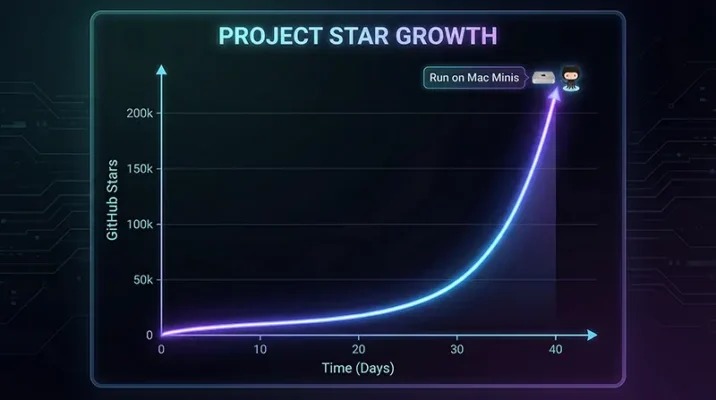
The response was unprecedented. The project quickly amassed over 200,000 GitHub stars, becoming the fastest-growing repository in the history of GitHub. It wasn’t just a hobbyist tool; it was a glimpse into the future of how humans will interact with computers.
The Anthropic Legal Threat: A Strategic Nightmare
Despite the project driving millions of dollars in API revenue to Anthropic, the company’s legal department took a rigid stance. Citing trademark concerns because the name “Clawdbot” was too similar to their flagship model, Claude, they issued a cease-and-desist.
While legally sound, the move was strategically disastrous. By prioritizing brand protection over ecosystem growth, Anthropic alienated the very developer who was building their most compelling use case. This friction opened a door that Sam Altman was more than happy to walk through.
The Timeline of Chaos: From Rebranding to Security Risks
The transition from Clawdbot to “Moltbot” (and eventually OpenClaw) was nothing short of a security catastrophe. Here is the breakdown of the domino effect:
- The Rebrand: Steinberger complied with the legal notice and rebranded to Moltbot.
- The Scammers: Within minutes of releasing the old name, crypto scammers hijacked the “Clawdbot” handle on GitHub, flooding the space with malware and fake tokens.
- The Security Crisis: Major firms like Gartner and CrowdStrike flagged the project as a security risk after finding exposed API keys in misconfigured instances.
- The Poach: Amidst this turmoil, tech titans like Mark Zuckerberg and Satya Nadella reached out. Ultimately, Steinberger chose OpenAI.

Why Peter Steinberger is the Ultimate Win for OpenAI
OpenAI didn’t just hire a coder; they hired a visionary who understands personal automation better than anyone else in the industry. Steinberger’s goal is simple yet revolutionary: to build an agent that “even his mom could use.”
By integrating Steinberger into the Codex team, OpenAI is shifting its focus from “Chatbots” to autonomous AI agents. These systems won’t just answer questions; they will have the permission to act across platforms, bridging the gap between cloud-based LLMs and local execution.
The AI Agent War: Market Share and the Future of 2026
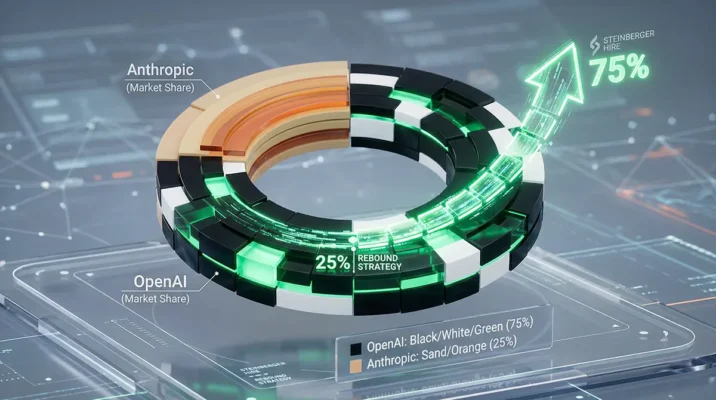
The hiring comes at a critical time for the market share battle. In late 2025, reports suggested OpenAI’s enterprise share had slipped to 25%, while Anthropic climbed to 40%. The “Agent War” of 2026 is the deciding factor for who dominates the next decade of tech.
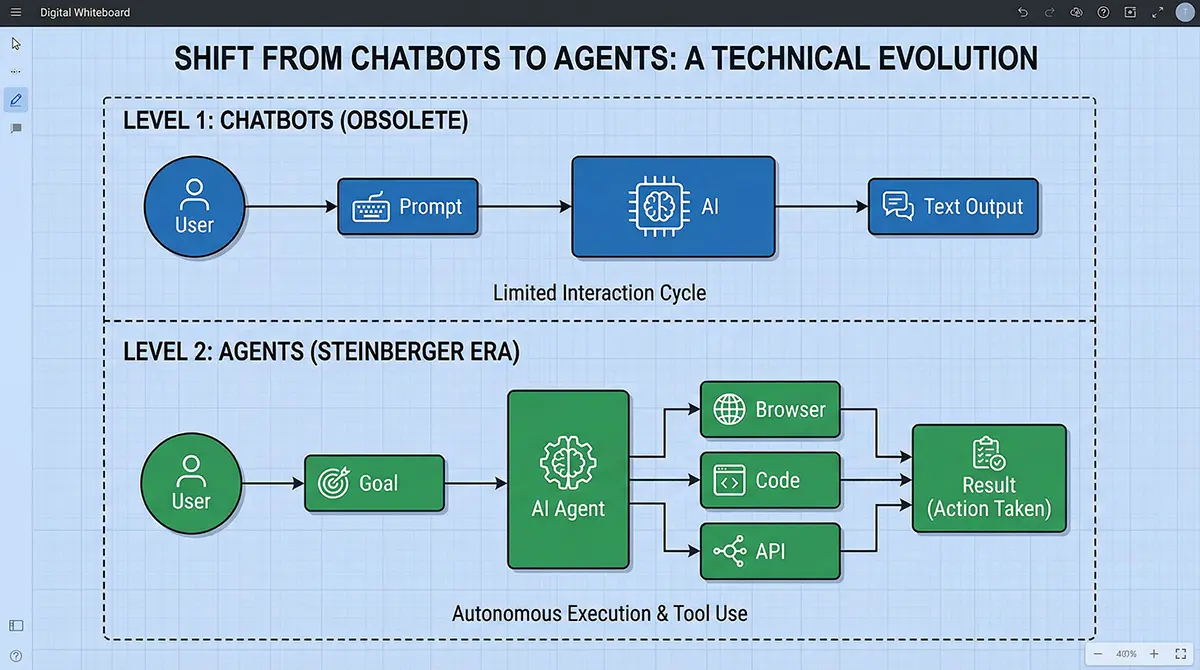
- OpenAI’s Strategy: Rapid innovation and aggressive recruitment to regain dominance.
- Anthropic’s Position: Research-heavy and safety-focused, but potentially too slow to capture the developer ecosystem.
- The Stakes: We are moving away from text boxes toward a “multi-agent” world where personal AI handles the friction of daily life.
Conclusion: A Multi-Billion Dollar Legal Document
History will likely view Anthropic’s trademark letter as one of the most expensive legal documents ever written. While they successfully protected the name “Claude,” they effectively handed the lead architect of the personal agent revolution to their biggest competitor.
The OpenAI AI agents of the near future will be powered by the very mind that Anthropic pushed away. For developers and users alike, this signals that the age of the autonomous assistant has officially arrived.
Resources
- The Verge: OpenClaw founder Peter Steinberger is joining OpenAI.
- Founded: Why OpenAI just poached viral AI agent OpenClaw creator Peter Steinberger.
Frequently Asked Questions (FAQs)
Peter Steinberger is the Austrian developer and founder of OpenClaw (formerly Clawdbot). He is widely considered a pioneer in “Agentic AI”—software that doesn’t just talk but takes autonomous action. OpenAI hired him in February 2026 to lead their personal agents division, specifically to move ChatGPT from a chatbot to a proactive digital assistant.
Clawdbot was rebranded twice due to legal pressure and security issues. Originally named after Anthropic’s Claude, it became Moltbot following a trademark cease-and-desist. After a chaotic period involving crypto scams and security vulnerabilities, it was finally renamed OpenClaw. It now exists as an independent open-source foundation supported by OpenAI.
While Anthropic successfully protected the Claude trademark, the legal action alienated a developer who was driving millions of dollars in API revenue to their platform. By not offering a partnership, Anthropic allowed their biggest rival, OpenAI, to poach the talent behind the world’s most popular AI agent framework.
Unlike standard AI models that respond to prompts, personal agents in 2026 are designed to execute multi-step workflows. This includes booking travel, managing emails, handling complex coding tasks, and interacting with other apps autonomously with “human-in-the-loop” permissions.
Following the security crisis in early 2026, the project has undergone significant hardening. However, because it requires “shell access” to perform tasks, experts recommend running it only in sandbox environments. With OpenAI now supporting the OpenClaw Foundation, official security patches are expected to become more frequent.
Related Blogs
Clawdbot (Moltbot) Explained: The ‘Claude AI’ Agent Taking Control of WhatsApp
Discover Clawdbot (Moltbot), the new open source Claude AI agent that connects to WhatsApp. Learn about its root access, automation capabilities, and the security risks involved.
Jan

AI Automation Crisis: Microsoft CEO Warns White-Collar Jobs Will Vanish by 2027
Microsoft AI CEO Mustafa Suleyman predicts AI automation will replace most white-collar work within 18 months. Read the full analysis and survival strategies here.
Feb
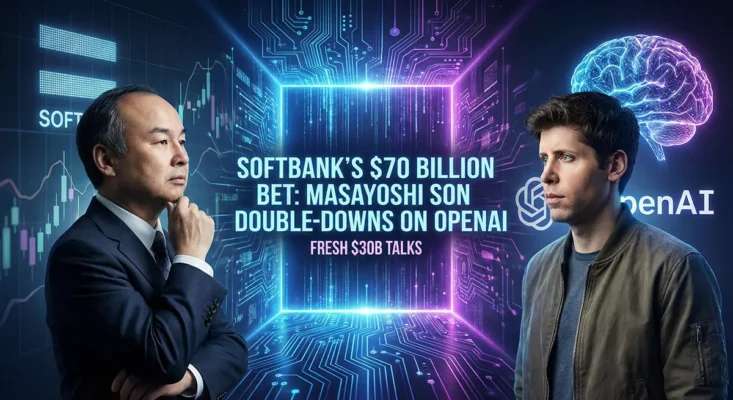
SoftBank OpenAI Investment: Masayoshi Son’s Massive $70 Billion AGI Bet
SoftBank is in talks for a fresh $30 billion SoftBank OpenAI investment. Discover why Masayoshi Son is betting $70 billion on GPT-6, Project Stargate, and the future of AGI.
Feb
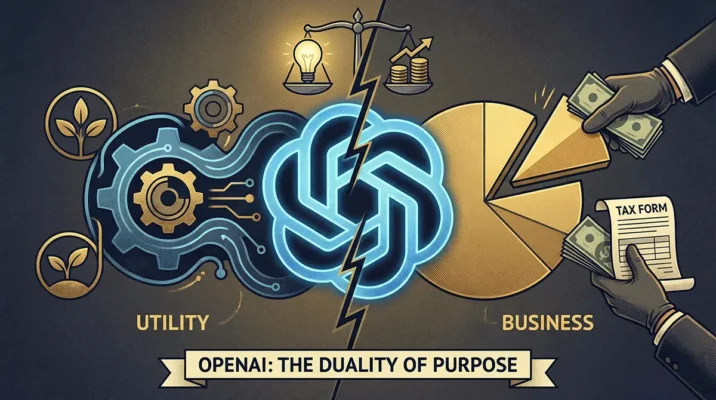
The OpenAI “Success Tax”: Is Your Startup Ready for the New AI Business Model?
OpenAI is shifting from a utility provider to a value-sharing partner. Discover why the "OpenAI Success Tax" and new IP licensing models in 2026 could cost your business its equity.
1 Comment
Jan
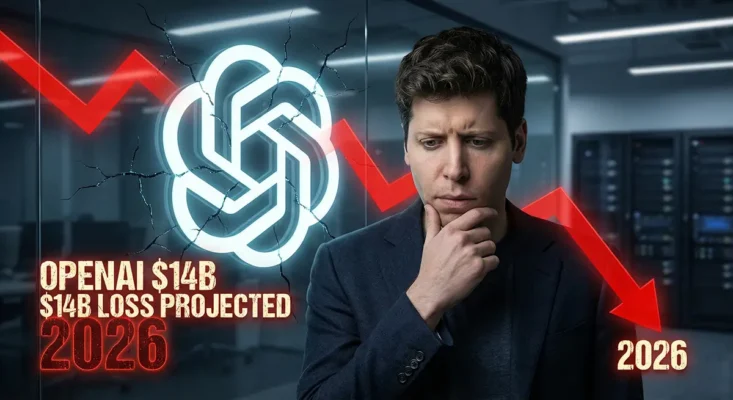
OpenAI Financial News 2026: The Shocking $14 Billion Loss & Bankruptcy Risk
Explosive OpenAI financial news 2026 reveals a $14 billion loss. Discover why Sam Altman's AI giant faces bankruptcy risk by 2027 and what it means for ChatGPT users.
Jan
