

Feb
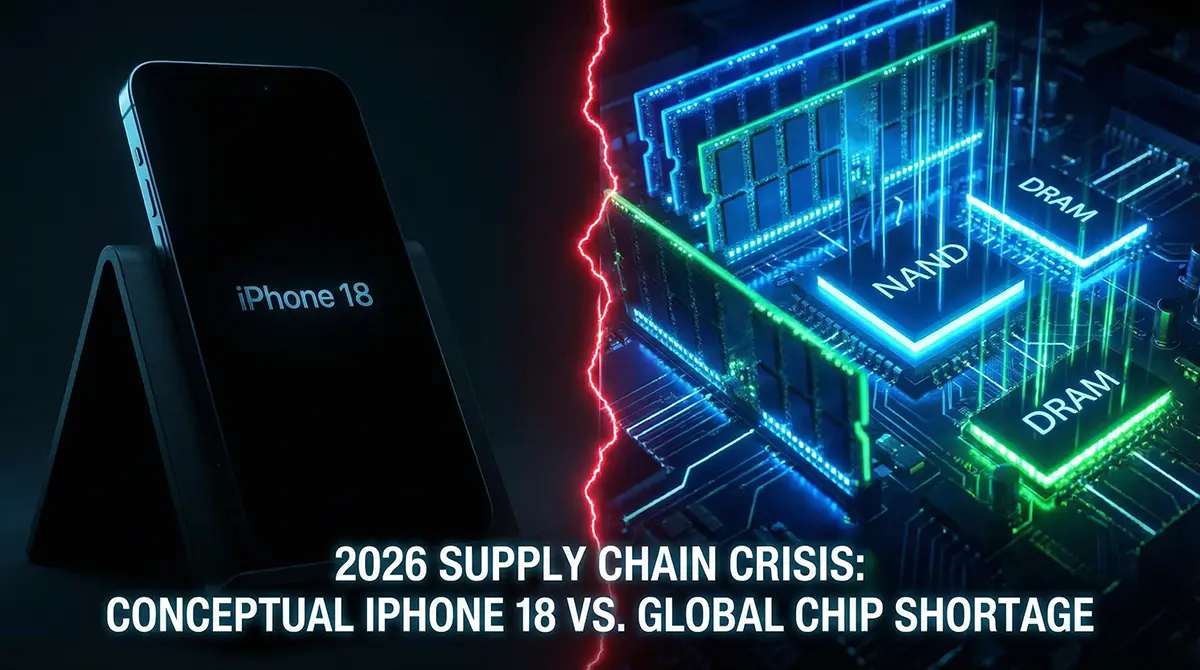
The Apple iPhone 18 launch is currently navigating a treacherous landscape, facing a brutal smartphone memory shortage that threatens to derail global supply chains and inflate retail costs.
When Apple is backed into a corner, the tech giant does not simply negotiate—it completely changes the board. Reports from supply chain insiders and Wccftech suggest that Cupertino is preparing a highly controversial and aggressive counter-move to secure components for its upcoming flagship device. Apple is reportedly in active discussions to source memory chips directly from Chinese suppliers, specifically YMTC (for NAND storage) and CXMT (for DRAM).
This strategic pivot is not merely about supply diversification. It is a direct shot across the bow of the “Big Three” memory cartel—Samsung, SK Hynix, and Micron—who have effectively deprioritized the global mobile market in favor of the highly lucrative artificial intelligence (AI) gold rush.
Here is an analytical breakdown of why Apple is playing the “China Card,” the impact on global and local mobile prices, and why regulatory bodies might actually allow this massive shift in the supply chain.
The Core Problem: The AI Pivot and the Apple iPhone 18
To understand the threat to the Apple iPhone 18, we must first look at how the global smartphone memory market has fundamentally broken down over the last year.
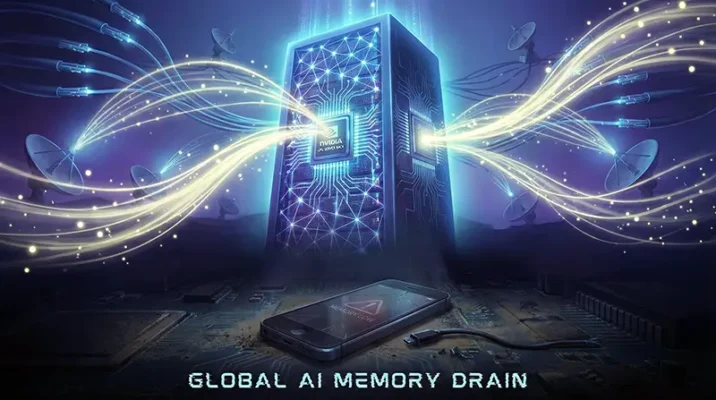
The technology sector has witnessed a massive AI memory shortage when it comes to standard consumer electronics. Industry leaders like Samsung, SK Hynix, and Micron have aggressively shifted their production capacities to manufacture High Bandwidth Memory (HBM). HBM is the critical component required for NVIDIA’s advanced AI GPUs.
Because artificial intelligence servers yield significantly higher profit margins than standard mobile hardware, standard consumer components have been left behind. This shift has created an artificial but severe shortage of standard mobile DRAM and NAND flash storage.
As a direct consequence, the supply chain for standard smartphones is suffocating. Reports indicate that these major memory providers are demanding price hikes of 50% or more for mobile memory in 2026. They are operating under the assumption that manufacturers of the Apple iPhone 18 have nowhere else to go.
Understanding the “Big Three” Memory Cartel
The current memory landscape is dominated by an oligopoly often referred to as a memory cartel. Samsung, SK Hynix, and Micron control the vast majority of the world’s memory production.
- Monopolistic Pricing: By moving in tandem to prioritize HBM for AI over standard DRAM for smartphones, these three companies have artificially constricted supply.
- Leverage over Giants: Even a company as powerful as Apple generally has to bow to the pricing dictates of these suppliers when capacity is tight.
- The Squeeze: If Apple accepts these 50% price hikes, the base manufacturing cost of the Apple iPhone 18 will skyrocket, ultimately passing the financial burden onto the consumer.
The “China Card”: Apple iPhone 18 Meets YMTC and CXMT
To regain leverage and ensure a stable supply chain for the Apple iPhone 18, Apple is reportedly looking to qualify alternative chips. By turning to prominent Chinese suppliers, Apple can bypass the traditional cartel.
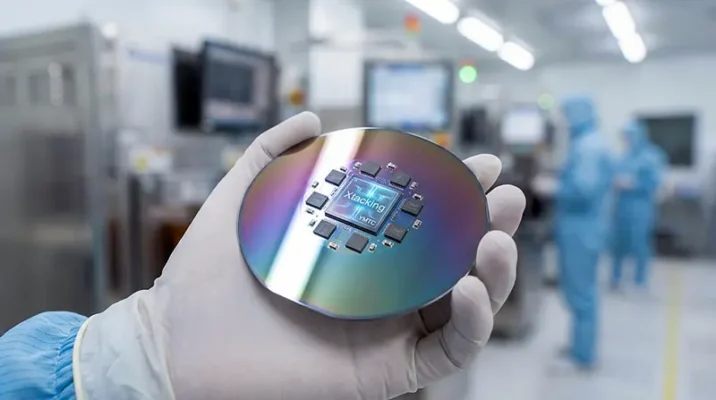
The two major players in this potential partnership are:
1. YMTC (Yangtze Memory Technologies Corp)
YMTC specializes in NAND Flash, which handles the long-term storage of the device.
- The Technology: YMTC utilizes a proprietary “Xtacking” architecture.
- The Capability: This technology is widely considered top-tier, rivaling industry leaders like Samsung in terms of density, speed, and reliability.
2. CXMT (ChangXin Memory Technologies)
CXMT focuses on DRAM, specifically LPDDR5X, which acts as the high-speed operational memory (RAM) for mobile devices.
- The Technology: While CXMT might be slightly behind the absolute bleeding edge compared to SK Hynix, their manufacturing capacity is scaling at an unprecedented rate.
- The Capability: They are more than capable of providing the required specifications for standard and Pro-tier smartphone models.
By threatening to move millions of component orders to Chinese suppliers, Apple sends a very clear and aggressive message to Samsung and the rest of the memory cartel: “Lower your prices, or we will financially back and build up your direct competitors.”
Navigating US Export Restrictions: Will the Deal Survive?
The most significant historical hurdle to outfitting an Apple iPhone 18 with components from Chinese suppliers has been strict US Export Controls.
However, a critical regulatory development occurred in early 2026. Reports suggest that the US Bureau of Industry and Security (BIS) recently clarified or removed specific restrictions regarding these companies. The crucial distinction lies in the application: consumer electronics are being viewed differently than military applications.
This regulatory “thaw” has potentially opened a narrow but viable window. Apple may now legally use Chinese memory in non-US iPhones. Furthermore, if these specific DRAM and NAND chips are deemed “legacy” enough by regulators, they could be implemented globally.
Impact on Global and Pakistan Mobile Prices
The outcome of this supply chain battle will have direct consequences on retail markets, particularly in highly price-sensitive regions like Pakistan.
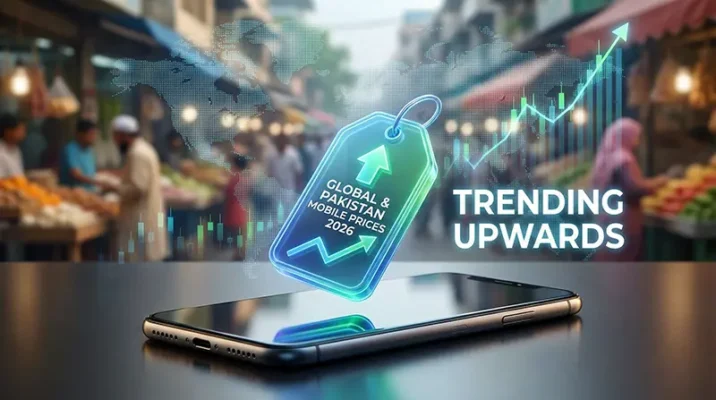
If Apple fails to secure this deal and is forced to pay the 50% premium demanded by Samsung and the cartel, global mobile prices will inevitably rise. In Pakistan, where smartphone prices are already compounded by import duties and fluctuating currency valuations, a base model Apple iPhone 18 could become prohibitively expensive.
Conversely, if Apple successfully integrates YMTC and CXMT into its supply chain:
- Price Stabilization: The threat of competition will force the memory cartel to lower their demands, stabilizing global retail prices.
- Increased Availability: A diversified supply chain guarantees that there will be no shortage of units at launch.
- Market Precedent: Other smartphone manufacturers (like Xiaomi, Oppo, and Vivo) will likely follow Apple’s lead, leading to a broader reduction in global mobile prices.
The Verdict: High-Stakes Poker for the Tech Industry
The situation surrounding the Apple iPhone 18 is high-stakes poker at the highest corporate level.

If this aggressive deal goes through, Apple secures a stable, cost-effective supply chain for its 2026 flagship and prevents mobile prices from skyrocketing. It successfully breaks the stranglehold of the memory cartel.
However, if the US government reverses course and intervenes again (similar to the crackdowns seen in 2022), Apple will be forced right back to square one. They will remain at the mercy of a cartel that currently cares much more about OpenAI’s server farms than the next generation of the iPhone.
Industry Takeaway: The tech world is watching closely. The success or failure of Apple’s “China Card” will dictate the hardware costs of the entire mobile industry for years to come.
Resources
- Yahoo Finance: Apple weighs risky partnerships with Chinese brands YMTC and CXMT.
- Tech Powerup: Apple Could Tap Chinese CXMT and YMTC for Memory and Storage
- WCCFTech: Apple Eyeing A Partnership With Chinese Memory Makers YMTC And CXMT As The Big Three Adopt Hardball Tactics.
- Tech Sportskeeda: Apple reportedly eyes YMTC and CXMT partnership amid global memory shortage.
- The Chosun Daily: Apple Eyes Chinese Memory Suppliers Amid Rising Prices, Korean Competition.
Frequently Asked Questions (FAQs)
The global smartphone memory shortage is primarily driven by the tech industry’s massive pivot toward Artificial Intelligence (AI). Major memory suppliers like Samsung, SK Hynix, and Micron have shifted their manufacturing capacity to produce High Bandwidth Memory (HBM) for AI servers. This has created a severe supply chain bottleneck for standard mobile DRAM and NAND flash storage.
YMTC (Yangtze Memory Technologies Corp) and CXMT (ChangXin Memory Technologies) are prominent Chinese memory manufacturers. YMTC specializes in advanced NAND flash storage, while CXMT produces LPDDR5X DRAM. Apple is reportedly partnering with them to bypass the existing memory cartel, secure a stable supply chain, and avoid extreme price hikes for the 2026 Apple iPhone 18 launch.
Yes, if Apple cannot secure this deal, the “Big Three” memory cartel is reportedly demanding a 50% price increase for mobile memory. This would inevitably cause global and Pakistan mobile prices to skyrocket in 2026. By bringing Chinese suppliers into the mix, Apple hopes to force prices down and stabilize the global retail market.
Historically, strict United States export controls made this difficult. However, reports suggest the US Bureau of Industry and Security (BIS) recently issued a removal or clarification of certain restrictions for consumer electronics. This regulatory thaw opens a narrow window for Apple to use these components globally or in non-US models without violating military-focused sanctions.
The “memory cartel” refers to the oligopoly of the three largest global memory suppliers: Samsung, SK Hynix, and Micron. Because they control the vast majority of the world’s memory production, they have the power to artificially constrict supply and dictate high prices to smartphone manufacturers.
Related Blogs
Apple’s First Foldable iPhone 18: 2026 Launch, Specs & Price in Pakistan
Apple's Foldable iPhone 18 is set for 2026! Discover the rumored specs, A20 Pro chip, and the shocking price in Pakistan vs Samsung Z Fold 7.
Jan
iPhone 18 Price Shock: Why 2026 Could Be the Most Expensive Year Yet
Bad news for the iPhone 18 price: An AI-driven DRAM shortage and supplier hikes could make 2026 the most expensive year to upgrade. See the Pakistan impact here.
Feb
iPhone 17e Disappointment: Why a 60Hz Display in 2026 is an Insult
The rumored iPhone 17e brings the A19 chip and Dynamic Island but retains a 60Hz display. Find out why this $600 phone is a bad deal compared to the Samsung Galaxy S25 [...]
Jan
Smartphone Price Hike 2026: Why the Galaxy S26 & iPhone 18 Will Cost a Fortune
The Smartphone Price Hike of 2026 is here. Discover why the Galaxy S26 and iPhone 18 will cost significantly more due to the global memory crisis and AI impact.
Jan
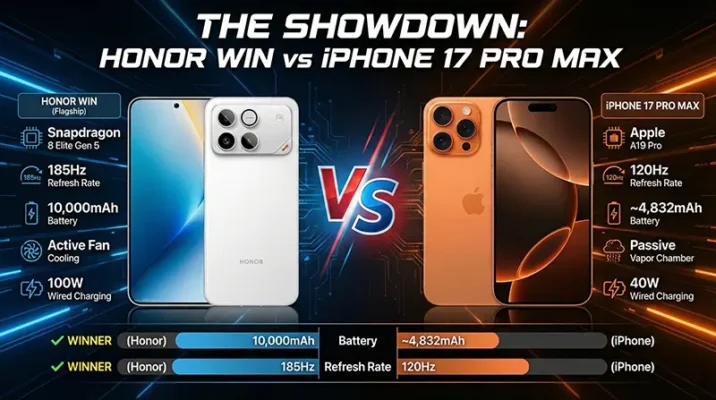
Honor Win vs iPhone 17 Pro Max: 10,000mAh Battery & 185Hz Beast!
The ultimate showdown: Honor Win vs iPhone 17 Pro Max. We compare the 10,000mAh battery, Snapdragon 8 Elite Gen 5, and 185Hz screen to see if Apple finally loses.
1 Comment
Dec
