


Feb
The subscription economy has finally come for your living room wall. In a move that signals a massive shift in how we consume premium electronics, LG has officially launched a new program in the UK called the LG Flex Subscription Service. Partnered with the tech rental platform Raylo, this service allows customers to lease high-end TVs instead of buying them outright.
While the concept of “TV-as-a-Service” sounds convenient for the modern digital nomad, the pricing structure has left many tech enthusiasts scratching their heads. Is this the future of home entertainment, or a financial trap?
Here is the breakdown of why this tech rental price model might cost you a fortune—or save you a headache, depending on how you look at it.
The Rise of the Subscription Economy
We live in an era where ownership is becoming obsolete. From music (Spotify) to transport (Uber) and software (Adobe), the UK tech economy is pivoting toward access over ownership. The LG Flex Subscription Service is the latest entrant in this space, aiming to do for televisions what leasing did for luxury cars.
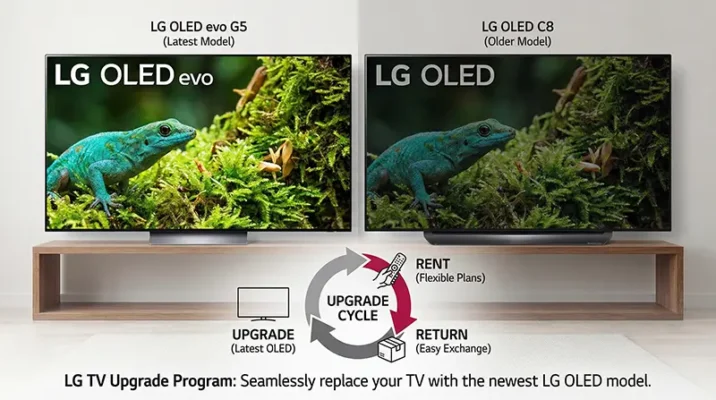
LG is betting that consumers are tired of the hassle of ownership. Selling an old 65-inch TV on eBay is difficult, shipping is a nightmare, and technology moves so fast that a screen bought today feels outdated in three years. However, this convenience comes at a premium that might shock the average consumer.
How the LG Flex Subscription Service Works
The LG Flex Subscription Service is straightforward but radically different from traditional financing. Instead of paying off a loan to own the TV, you are paying a monthly fee to host it in your house.
- Partnership: LG has teamed up with Raylo, a platform specializing in premium electronics leasing, to handle the logistics and credit checks.
- The Hardware: You can rent the latest LG OLED panels, including the C5 and G5 models, as well as soundbars and lifestyle screens like the StanbyME.
- The Terms: Contracts range from 12 to 36 months, with the monthly price dropping significantly if you commit to a longer term.
Unlike a purchase, you have no equity in the device. You are paying strictly for the time you use it.
The Cost Analysis: Eye-Watering Prices
The headline grabber for this new service is the price for “flexibility.” If you want short term TV hire without a long commitment, the costs are staggering.
For example, if you want to rent a top-tier 83-inch LG OLED (B5 model) for just one month, it can cost up to £277 per month.
The Yearly Breakdown
At that specific short-term rate, you are paying over £3,300 a year just to borrow a television. To put that in perspective:
- You could buy a brand new OLED TV for less than that amount.
- You could buy a used car for that amount.
- You are paying for the privilege of returning it, not keeping it.
To get a “reasonable” price, you have to lock yourself into a 36-month contract. For instance, a standard 42-inch C5 OLED might drop to around £28/month on a 3-year plan. While this sounds affordable, it is essential to calculate the total LG OLED TV cost over the lifespan of the contract.
Rent OLED TV vs. Buying: The Math
The critical difference between buy vs financing electronics (like Klarna or PayPal Credit) and the LG Flex Subscription Service is the end result.
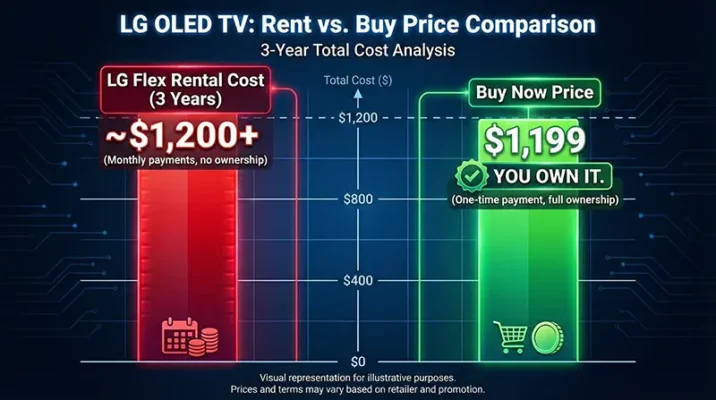
Scenario A: Financing a TV
If you finance a TV for £50/month for 2 years:
- Total Paid: £1,200.
- Result: You own the TV. You can sell it, gift it, or keep it for another 5 years cost-free.
Scenario B: LG Flex Rental
If you use LG Flex for £50/month for 2 years:
- Total Paid: £1,200.
- Result: You own nothing. You must return the TV or extend the contract.
You have simply paid £1,200 to host a screen in your living room. This highlights the dangers of premium electronics leasing for the average consumer who plans to keep their TV for more than three years.
The Upgrade Loop: A Forever Payment?
The selling point of LG Flex isn’t just the price; it’s the churn. LG is targeting the “early adopter”—the person who needs the newest screen every single year but hates the hassle of resale.
This is marketed as a TV upgrade program. During the rental period, you can apply to upgrade to the latest model (e.g., swapping a G5 for the future G6).
- The Benefit: You always have the latest tech specs, best brightness, and newest AI processors.
- The Downside: You never stop paying. It becomes a permanent utility bill, like gas or electricity, rather than a one-time purchase.
Hidden Fees to Watch For
While the monthly fee is the main cost, there are other potential expenses:
- Removal Fees: At the end of the contract, LG handles the collection, but there is reportedly a £50 removal fee (or a bundled service fee) to have them take it away.
- Damage Costs: If the TV is returned with more than standard wear and tear, you could be liable for repair costs.
Who is This For? Student and Expat Deals
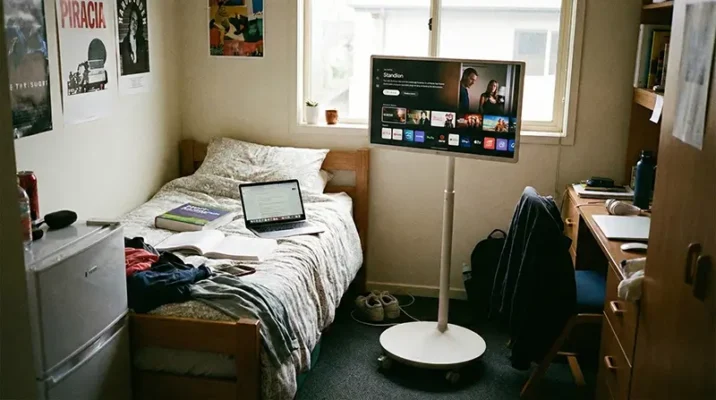
Despite the high long-term costs, the LG Flex Subscription Service makes perfect sense for a very specific slice of the population.
- Expats and Temporary Residents: If you are a consultant moving to London for 9 months, buying a 65-inch TV is a logistical nightmare. Short term TV hire solves this problem instantly.
- University Students: Student and expat deals are often hard to find in electronics. A group of students sharing a house for one year might split the cost of a high-end OLED for gaming, returning it when the semester ends.
- Tech Reviewers and Enthusiasts: People who want to test the latest technology for a few months without the commitment of a £2,000 purchase.
For these groups, the tech rental price is a fee for convenience and mobility, not an investment in hardware.
The Verdict: Innovation or Rip-Off?
The LG Flex Subscription Service is a bold experiment in the world of hardware. It challenges the traditional notion that we must own the screens we watch.
However, for the vast majority of consumers in the UK tech economy, the math simply doesn’t add up. It is almost always cheaper to buy the TV on a 0% interest credit card and sell it when you are done. The depreciation of a TV is rarely as high as the rental fees charged over two years.
Pros:
- Access to premium OLED tech without a £2,000 upfront payment.
- Hassle-free upgrades and returns.
- Ideal for short-term stays.
Cons:
- You own nothing at the end of the term.
- Short-term rates are exorbitantly expensive.
- Long-term contracts mimic purchase prices without the asset ownership.
If you value flexibility over wealth accumulation, this service is for you. For everyone else, the traditional buy vs financing electronics route remains the king of value.
Final Thoughts
Before signing up for any premium electronics leasing, always calculate the total cost of the term and compare it to the retail price. You might find that buying is still the smartest “flex” of all.
Resources
- LG: Official Subscription Page.
- TechSpot: You can now rent an LG TV for hundreds per month instead of buying it.
- HDTVTestUK: You can now rent one of LG’s OLED TVs with a Flex subscription
Frequently Asked Questions (FAQs)
Generally, no. For most users, buying an LG OLED TV on 0% finance is cheaper in the long run. LG Flex is a tech rental price model where you pay for flexibility, not ownership. Over a 3-year period, you might pay a similar amount to the retail price but end up owning nothing.
No, you do not own the TV at the end of the term. You must either return the TV, upgrade to a newer model (entering a new contract), or potentially extend the rental. This is the main difference between buy vs financing electronics and the LG Flex model.
Prices vary wildly based on the contract length. A short-term (1-month) rental for a premium 83-inch model can cost up to £277 per month. However, if you commit to a 36-month contract for a smaller 42-inch model, prices can drop to around £28 per month.
LG partners with Raylo for this service, and while standard wear and tear is usually covered, significant damage may incur fees. It is highly recommended to check if the subscription includes insurance or “Care” packages, as repairing an OLED screen can be extremely expensive.
This service is ideal for students, expats, and temporary residents in the UK who need a high-quality TV for a short term TV hire (e.g., 9-12 months) and don’t want the hassle of selling or moving a massive screen when they leave.
