

News
GPU Shortage 2.0? NVIDIA Reportedly Cutting Consumer Production by 40%

Dec
Just as gamers were settling into the current generation of hardware, reports from the supply chain in Taiwan have dropped a bombshell. If you thought the chaos of the pandemic-era GPU market was behind us, think again.
Fresh leaks from industry insiders suggest an Nvidia production cut in 2026 is imminent, with the tech giant reportedly slashing consumer GPU manufacturing by 30% to 40% heading into the first half of the year. While the RTX 50-Series rollout was initially met with excitement, the supply chain reality is painting a much grimmer picture for PC builders.
Here is a deep dive into why this is happening, which cards are at risk, and what you need to do to protect your wallet.
The Rumor: What’s Happening in Taiwan?
According to sources close to Taiwanese manufacturing partners (including reports from Board Channels and Benchlife), Nvidia has notified board partners of a significant reduction in supply allocations for H1 2026.
This isn’t a minor adjustment. A 40% reduction is a market-moving event. The reports indicate that Nvidia is struggling to secure enough GDDR7 memory and silicon wafer capacity to satisfy both its gaming and enterprise clients. Faced with a choice, the company appears to be making a calculated decision to throttle the gaming market.

Why is NVIDIA Abandoning Gamers?
Many users are asking why the company that built its brand on GeForce is pulling back. The answer is strictly business: Nvidia AI priority is no longer just a strategy; it is the company’s entire financial engine.
1. The “Blackwell” Profit Margin
Nvidia’s “Blackwell” AI architecture is currently the most sought-after hardware on the planet. Financial analysts estimate that Nvidia makes significantly higher margins on these enterprise chips—reportedly upwards of 75% to 78%—compared to the much thinner margins on consumer graphics cards.
When a single AI server rack can generate hundreds of thousands of dollars in profit, allocating scarce silicon to a $600 gaming card makes less financial sense.
2. The VRAM Bottleneck
It’s not just about the GPU die; it’s about the memory. The entire tech industry is facing a memory squeeze. High-performance GDDR7 memory is in short supply, and manufacturers like Micron and Samsung are pivoting their production lines to serve the high-bandwidth memory (HBM) needs of AI data centers. This leaves fewer resources for the GDDR7 modules used in your RTX 5080 or 5070.
The Impact: Who Gets Hit First?
If these cuts go into effect as rumored, the RTX 50 series shortage will not affect all cards equally. The mid-to-high-range market is expected to take the heaviest blow.
-
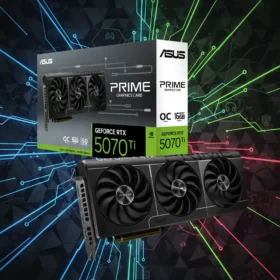
The 16GB VRAM Cards: Leaks specifically point to the RTX 5070 Ti and RTX 5060 Ti (16GB models) as the first victims. These cards use higher-density memory chips that are difficult to source.
-
The Flagships: The RTX 5090 is already a low-volume “halo” product. Finding one at MSRP is difficult now; finding one in 2026 might require paying scalper premiums.
-
Entry Level: The lower-end cards (like the standard 5060) may see better availability, but their pricing will likely be dragged up by the overall market scarcity.

Market Outlook: GPU Prices Increasing in 2026
Basic economics dictates that when supply drops by 40% and demand remains stable, prices must rise. We are already seeing early signs of GPU prices increasing across major retailers.
-
MSRP is Irrelevant: By February 2026, the “official” launch price of these cards may become a fantasy. We expect retail prices to drift 15-20% above MSRP.
-
The Used Market: As new stock dries up, the value of used RTX 30 and 40 series cards will stabilize or even rise. If you own a working 4070 or 4080, it is essentially an appreciating asset right now.
Our Advice: Panic Buy or Hold?
The upgrade market is about to get very messy. Here is our strategic advice based on your current situation:
-
If you need a GPU now: Do not wait for prices to drop in 2026—they likely won’t. If you find an RTX 5070 or 5080 at MSRP today, buy it. The “wait for a sale” strategy is risky in a shortage environment.
-
If you have an RTX 30/40 Series: Hold onto it. The performance jump to the 50-series is impressive, but not worth paying 20-30% over retail price.
-
Watch the Competition: Keep an eye on AMD’s Radeon pricing. If Nvidia creates a vacuum in the mid-range market, AMD may offer the only sane value proposition for gamers in 2026.

Related Products

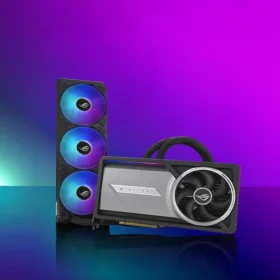
GeForce RTX 50
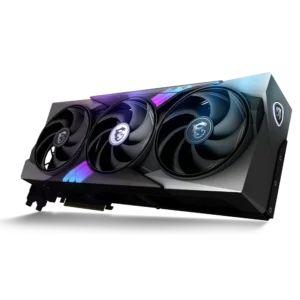
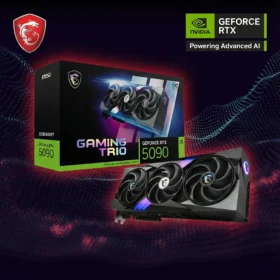
GeForce RTX 50
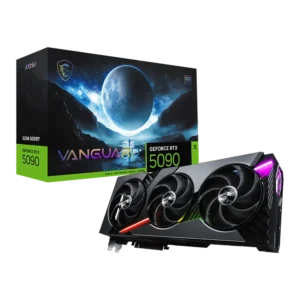
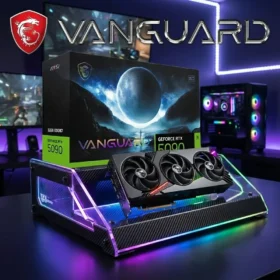
GeForce RTX 50
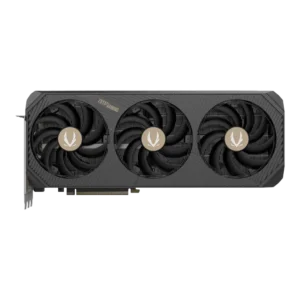
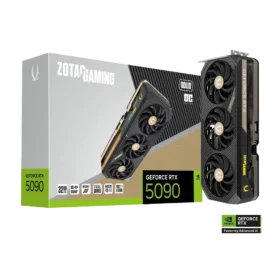
GeForce RTX 50
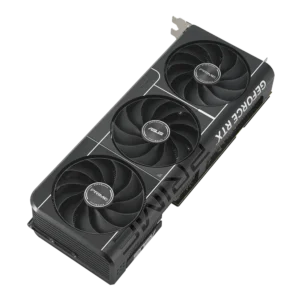
GeForce RTX 50
